A homeowners guide to hazard insurance
Contributed by Sarah Henseler
Updated Mar 6, 2026
•6-minute read

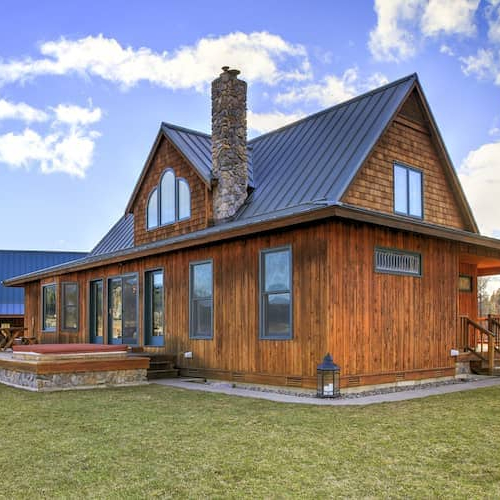
As a homeowner, hazard insurance might not be the first thing on your mind. But this insurance policy plays a role in protecting the place you call home. If a covered event, like a fire or storm, damages your home, hazard insurance can help you make repairs without devastating your finances.
This guide explores what hazard insurance is as part of your homeowners' insurance policy.
What is hazard insurance?
Hazard insurance helps protect your wallet from covered damaging events that happen to your home, like storms and fires.
If you’re getting a mortgage for your home purchase, the lender will likely require you to carry some amount of hazard insurance. Typically, hazard insurance is included as the dwelling coverage under your homeowners insurance policy.
Depending on where you live, you might also need a Natural Hazard Disclosure (NHD) report. This report tells you if the property is in a high-risk zone for certain natural threats, like storms and wind.
Hazard insurance vs. homeowners insurance: Is there a difference?
Hazard insurance isn’t a separate policy. Although lenders refer to hazard insurance separately, it’s a part of a homeowners insurance policy that protects against most natural disasters.
Your homeowners insurance goes beyond baseline hazard insurance to include other protections. For example, home insurance can also protect your personal belongings if they are stolen or pay for medical bills associated with injuries that happen on your property.
How does hazard insurance work?
When a policyholder’s home is damaged by a covered peril, hazard insurance steps in to help pay for the repairs.
For example, let’s say a homeowner has hazard insurance that includes fire as a covered damage. If the home is damaged in a fire, the homeowner’s hazard insurance policy can help pay for repairs to the home. Even if a property isn’t in a high-risk area, it’s a good idea to have hazard insurance to protect your property and finances.
Since insurance costs can add up quickly, many mortgage lenders allow homeowners to set up an escrow account for this expense, which splits up the annual premium into monthly payments.
In order to confirm what’s covered by your policy, take a look at the Declarations Page and the fine print of your insurance policy.
Making a hazard insurance claim
If your house is damaged by a covered event, it’s time to make a hazard insurance claim. Although the claims filing process can vary from insurer to insurer, here’s what to expect:
- Document any damage: Start by documenting any damage that’s occurred with photos. If possible, take reasonable steps to protect your property from further damage.
- You file a claim: With documentation of the damage in hand, file a claim with your insurance company. You may need to do this online or over the phone.
- An adjuster conducts an inspection: Typically, the insurer will send out an adjuster to inspect the damage and ask questions about the claim.
- You receive a payout minus your deductible: After the insurance adjuster considers the claim, you’ll receive a payout to cover the damages minus your deductible.
Throughout the claim process, do your best to communicate with the insurance company. Timelines will vary and might feel longer than you’d like, especially after a natural disaster. But regularly communicating with the insurer can keep your claim moving forward.
What does hazard insurance cover in your home?
Hazard insurance only covers what is listed explicitly in the policy. But, typically, hazard insurance covers the following perils:
- Fire or smoke damage
- Windstorms and hail
- Vandalism
- Theft
- Lightning
- Snow, ice, or sleet damage
- Car or aircraft damage
- Fallen trees and objects
- Heating, AC, or electrical damage
It’s important to review the details of your specific policy to understand what’s covered for your home.
Named-perils and open-perils policies
A named-peril policy only covers specific events listed in your policy. In contrast, an open-perils policy covers all damage from perils not explicitly excluded from the policy. Generally, an open-perils policy offers more comprehensive protection than a named-perils policy.
What’s not covered by hazard insurance
Many baseline hazard insurance policies don’t cover everything. Generally, hazard insurance policies don’t cover:
● Personal property damage: Some policies include protection for your personal belongings. But most don’t cover expensive items, like jewelry or art.
● Injuries sustained on your property: Hazard insurance won’t cover the costs of injuries that happen on your property. But the liability insurance included in your home insurance policy might.
- Flooding damage: Flood damage usually isn’t covered by a standard home insurance policy.
- Earthquakes: Damage from an earthquake typically isn’t covered by a standard hazard insurance policy.
- Landslide and mudslides: As with floods, landslide and mudslide damage typically isn’t covered by hazard insurance.
- Pest infestations: Damage caused by pests, like termites, usually isn’t covered by hazard insurance.
- Mold damage: Unless the mold damage is the result of a covered peril, hazard insurance usually won’t cover mold damage.
- Wear and tear: General wear and tear isn’t covered by hazard insurance.
Although a hazard insurance policy doesn’t cover every possible damaging event, it’s possible to buy other policies to protect yourself. For example, you can purchase separate flood or earthquake policies to help pay for damage caused by these types of events.
How much does hazard insurance cost?
Since hazard insurance is a part of your homeowners insurance policy, it’s difficult to determine the exact costs. But insurance companies generally determine your home insurance rates by considering the risks associated with your home. Some factors that play a role in determining your home insurance costs include:
- Where you live: The location of your home has a big impact on your insurance costs. Some risks, like storms, are more of a threat in some locations than others.
- The type of home you own: How well your home may hold up to tough weather conditions may impact your insurance costs.
- Your claims history: A history of many claims could lead to higher insurance costs.
- The age of the home: Older homes may face higher insurance costs due to outdated building methods.
- Your credit score: In many states, insurers can look at your credit score when determining rates. Generally, homeowners with higher credit scores enjoy lower insurance costs.
Since the costs of insuring your home might amount to a large sum, especially as market factors push costs higher, many lenders allow you to pay for the premium through monthly payments to an escrow account.
FAQ about hazard insurance
If you have additional questions about hazard insurance, the answers below may help.
Do mortgage lenders require you to buy hazard insurance?
Qualifying for a mortgage usually requires you to have a certain amount of hazard insurance under your homeowners insurance policy. Additional coverage, like for tornadoes, might be required by your lender, based on your area's natural disaster risk. Keep in mind that requirements vary by lender and location, so consider this when shopping for a mortgage.
Why is my mortgage charging me for hazard insurance?
Your mortgage lender might be setting aside a portion of your monthly payment in an escrow account to pay for hazard insurance costs.
What happens if I don’t have hazard insurance?
If you don’t have hazard insurance, you’ll have to pay to repair your home after a damaging event without the help of an insurance company. However, if you have a mortgage, you are required to maintain a hazard insurance policy. If you do not have one, the lender may purchase one on your behalf.
Can I remove hazard insurance from my mortgage?
Once you pay off your mortgage, you may be able to adjust coverage or have your lender remove the mortgage lien from your house, allowing you to remove the hazard insurance. If you cancel hazard insurance, you will be fully responsible for any property damage or loss caused by natural disasters.
How does my credit score affect insurance?
In many states, insurers can look at your credit when determining insurance premiums. Generally, a higher credit score leads to lower insurance costs.
The bottom line: Hazard insurance can protect what’s precious to you
Hazard insurance is a part of homeowners insurance. Depending on where you live and your financial situation, your insurance may or may not include all the coverage you need.
Therefore, it’s wise to speak with your insurance agent and your mortgage lender to ensure you have the necessary coverage for your area.
Now that you understand how hazard insurance can protect a home, start the mortgage process today if you’re ready to explore your loan financing options.
Rocket Mortgage is a trademark of Rocket Mortgage, LLC or its affiliates.

Sarah Henseler
Sarah Henseler is a veteran copy editor with more than 30 years’ experience as a professional journalist. A graduate of Marquette University in Milwaukee, Sarah worked for several Chicago-area newspapers and publications before moving to Michigan in 2003. Since joining Rocket Mortgage in 2019, she focuses on mortgages, real estate, loans, and personal finance topics.
Related resources
6-minute read
What is vacant home insurance and why do you need it?
If you plan to leave your home unoccupied, a vacant home insurance policy can protect your property. Learn more about these policies and what they cover.
Read more
6-minute read
Is home insurance tax deductible?
Homeowners can’t deduct homeowners insurance from income taxes, unless it’s a rental property. Learn more about which homeownership expenses are tax...
Read more

7-minute read
What is homeowners insurance and how does it work?
Mortgage lenders require homeowners insurance, which reimburses you if your home is damaged or destroyed. Learn how to choose the right policy for your home.
Read more