Distressed property: Everything you need to know
Contributed by Karen Idelson
Updated Mar 24, 2026
•5-minute read

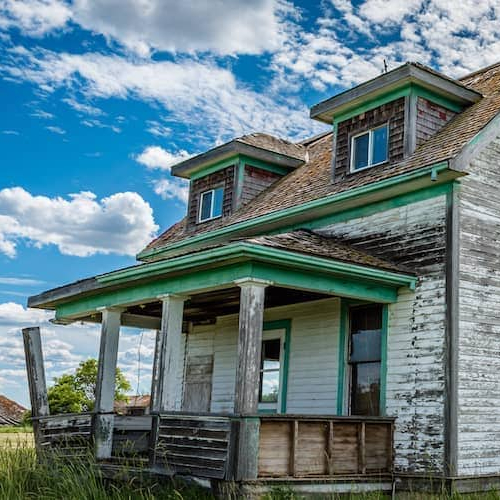
Distressed properties often get overlooked in competitive seller’s markets, but they can be an opportunity for buyers willing to do their homework. These properties, whether foreclosures, short sales, or properties in need of repair, come with their own challenges and significant risks. They can also be solid investments.
In this guide, we'll explore what makes a property "distressed," show you where and how to find these opportunities, and walk you through the steps to purchase one if you decide this kind of investment aligns with your financial goals.
What is a distressed property?
A distressed property is a home that’s on the brink of foreclosure or is already owned by a bank or has been repossessed by the mortgage lender. In addition to these financial issues, these properties can also have significant physical issues, such as water or fire damage, or general disrepair.
Real estate investors often seek out distressed houses because of the opportunity to buy a home at a lower purchase price. An investor might purchase a distressed home to use as a rental property or upgrade and sell it at a higher sale price than what they purchased it for.
Distressed properties are often fixer-uppers and require significant repairs or renovations. Home buyers should consider all the costs and potential risks involved in buying a distressed property before signing on the dotted line.
See what you qualify for
Why do investors buy distressed properties?
You may wonder why anyone would choose to take a risk on a distressed property. Usually, it’s because buying a distressed property does come with certain advantages that can make up for the downsides and risks.
Real estate investors, particularly those with contracting experience, often seek out distressed properties because they can get a good deal on the home sale. Plus, these investors are usually well-equipped to handle any problems they discover on the investment property.
Many investors buy distressed properties and fix them up to either flip the house or rent it out. In general, buyers don’t purchase distressed properties with the plan to live in the home. Distressed properties aren’t usually a great choice for first-time homebuyers because they often require experience in renovation or remodeling.
Take the first step toward the right mortgage
Apply online for expert recommendations with real interest rates and payments
What are the different types of distressed properties?
There are three primary reasons for a distressed sale. Let’s look at each scenario in more detail.
Foreclosures
Many distressed houses are the result of foreclosures or preforeclosures. This happens when a homeowner fails to make their monthly mortgage payments or pay their property taxes.
When a homeowner is delinquent on their mortgage payments, the mortgage lender or loan servicer repossesses the property. Occasionally, the lender may accept a deed in lieu of foreclosure to assume ownership.
In the case of a foreclosure, lenders must sell the house in accordance with state laws. They’ll typically sell the home through a foreclosure sale or at an auction, where buyers can buy the home directly from the lender.
Real estate owned (REO) properties
Properties that don’t sell at the initial auction are known as real estate owned properties, or REO properties. These homes are also considered bank-owned properties.
Lenders don’t typically want the responsibility of maintaining or repairing these properties and may be willing to sell them at a discount. If you know where to look, you might be able to snag a good deal by purchasing an REO property.
Short sales
Homeowners may avoid foreclosure through a short sale, selling a distressed property for less than they owe on the mortgage loan. This typically happens when a homeowner has an underwater mortgage or owes more on the mortgage than the home is currently worth. In this situation, a short sale could be a more attractive option for the owner.
A short sale happens when a buyer purchases the distressed property for less than what the current homeowner owes on the mortgage loan. This allows the current owner to avoid foreclosure. Short sales can sometimes result in a good deal for home buyers.
How can you find distressed properties for sale?
You can find distressed properties with professional assistance or just by learning where to look. The good news is that when you do find these types of homes, there may be less competition for them.
Here are two ways you can find distressed properties that are available to purchase.
- Work with a real estate agent: The easiest way to find distressed homes is by working with a real estate agent or REALTOR® who specializes in these properties. The right real estate agent will be able to guide you through the process of finding distressed properties. They may have more information about the home's condition and any risks you should be aware of. You can also ask them for recommendations on financing options.
- Do it yourself: You don’t have to work with a real estate agent to purchase a distressed property. If you have some experience in this area, you can do the legwork yourself. To get started, identify a few different neighborhoods you’re interested in. From there, you can begin looking for homes that have fallen into disrepair. Then you can research public records and determine if there’s a potential buying opportunity.
Can you get a mortgage for a distressed home?
It can be challenging to finance a distressed property because the value is difficult for an appraiser to assess. In many states all-cash payments are a requirement for distressed properties sold at auction.
If you find a distressed property close to foreclosure, consider approaching the seller directly. Many lenders may be motivated to move forward with the home sale to avoid the foreclosure process. Conversely, some lenders could be reluctant to finance distressed homes because of the same risks buyers face.
What are the risks of buying a distressed home?
There are many potential benefits to buying a distressed property, but these purchases can be risky. If you’re a first-time home buyer, you should consider whether the risks are worth the potential rewards.
The house may seem like an incredible bargain. But you need to consider whether you’re ready to handle the potential delays, disappointment and expensive repairs that often come with distressed properties.
Here are a few of the most significant risks that come with buying a distressed home.
Buying a property as is
The biggest risk of buying a distressed property is that the home is usually sold as is. It’s hard to inspect distressed properties before the sale, particularly if they’re sold at auction.
Even if you do get the opportunity to explore the property, the seller often has a limited budget and might not have room to negotiate any home repairs.
Getting outbid at auction
Getting outbid on distressed properties at auction is a common challenge. It can be frustrating and hinder your plans. So, just as you must be ready to buy the property, you also should be prepared to lose the bid.
When you buy a home at auction, you can typically attend online or in person. Online auctions are becoming increasingly commonplace.
But regardless of which path you choose, there’s always the possibility that you could be outbid at auction. There’s no guarantee you’ll be able to purchase the property until the sale has been finalized.
Purchasing delays
Purchasing delays for distressed property sales are common, potentially taking from 6 months to 1 year to finalize. That’s because the sale is not as straightforward as buying a home that is not in distress, which takes an average of 6 – 8 weeks to close.
One issue is that you’re usually dealing with the lender, and they have to approach the closing process on a distressed property very carefully. Plus, there may be some hoops you have to jump through before finalizing the sale.
The bottom line: Distressed property can be more than you bargained for
Distressed homes offer a unique buying opportunity for real estate investors, but the average home buyer might want to look elsewhere. You may end up biting off more than you can chew and would be better off taking a traditional route to purchasing a home.
If you’re interested in becoming a real estate investor or ready to start the home buying process, you can get started online with Rocket Mortgage.

Terence Loose
Related resources

5-minute read
The 1% rule in real estate: What to know before investing
Measuring your return on investment can feel like a lot of math. The 1% rule can make it easier to figure out how much you should spend on your investment.
Read more

8-minute read
How to make money in real estate: A guide for beginners
Real estate offers many ways to build wealth, but which method makes sense for you? Check out our guide on how to make money in real estate to get an idea.
Read more
7-minute read
Most promising and best places to invest in real estate in the U.S.
Learn about the 10 best cities to invest in real estate in 2024 based on house price index, median home sold price, gross rental yield and vacancy rate.
Read more